
The Bowen Technique
What is the Bowen Technique?
The Bowen Technique is a gentle, non-invasive holistic therapy that does not involve forceful manipulation. It has been shown to support a wide range of conditions, including back, neck, and shoulder discomfort; sciatica; issues affecting the knees, ankles, and feet; pelvic imbalance; digestive concerns such as IBS; migraines and headaches; menstrual and hormonal imbalances, including PMT, menopausal symptoms, and fertility challenges; respiratory conditions; repetitive strain injuries and carpal tunnel syndrome; sports- and accident-related injuries; and stress.


How does it work?
The gentle moves are performed over muscles, tendons, joints and connective tissue, or fascia, which allows the brain to send messages to the body to make the necessary adjustments.
The muscle memory is altered by the body to allow the changes to occur. This allows the body to make the adjustments in its own time, normally focusing on the area of greatest concern first and will continue to work for up to 5-10 days after the session. The Bowen Technique can focus on particular areas of concern, as well as have a holistic effect on the whole body, including emotions, energy levels, relaxation and sleep.
The Bowen Technique originated in Geelong, Australia, and was developed by Thomas Bowen (1916–1982). With a strong interest in the body’s muscular system, Thomas Bowen intuitively explored how specific, gentle movements applied to the body could support the recovery process for a wide range of conditions. It is widely reported that he successfully treated approximately 13,000 clients each year, achieving notable outcomes.
What are its origins?


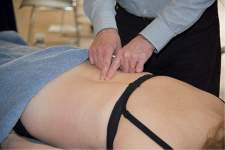
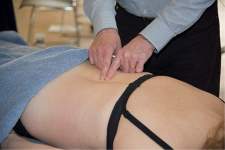
Bowen Therapy is suitable for people of all ages, from new-borns through to older adults, and may be safely administered during pregnancy.
Gallery
Snapshots from our hands-on Bowen Technique training sessions